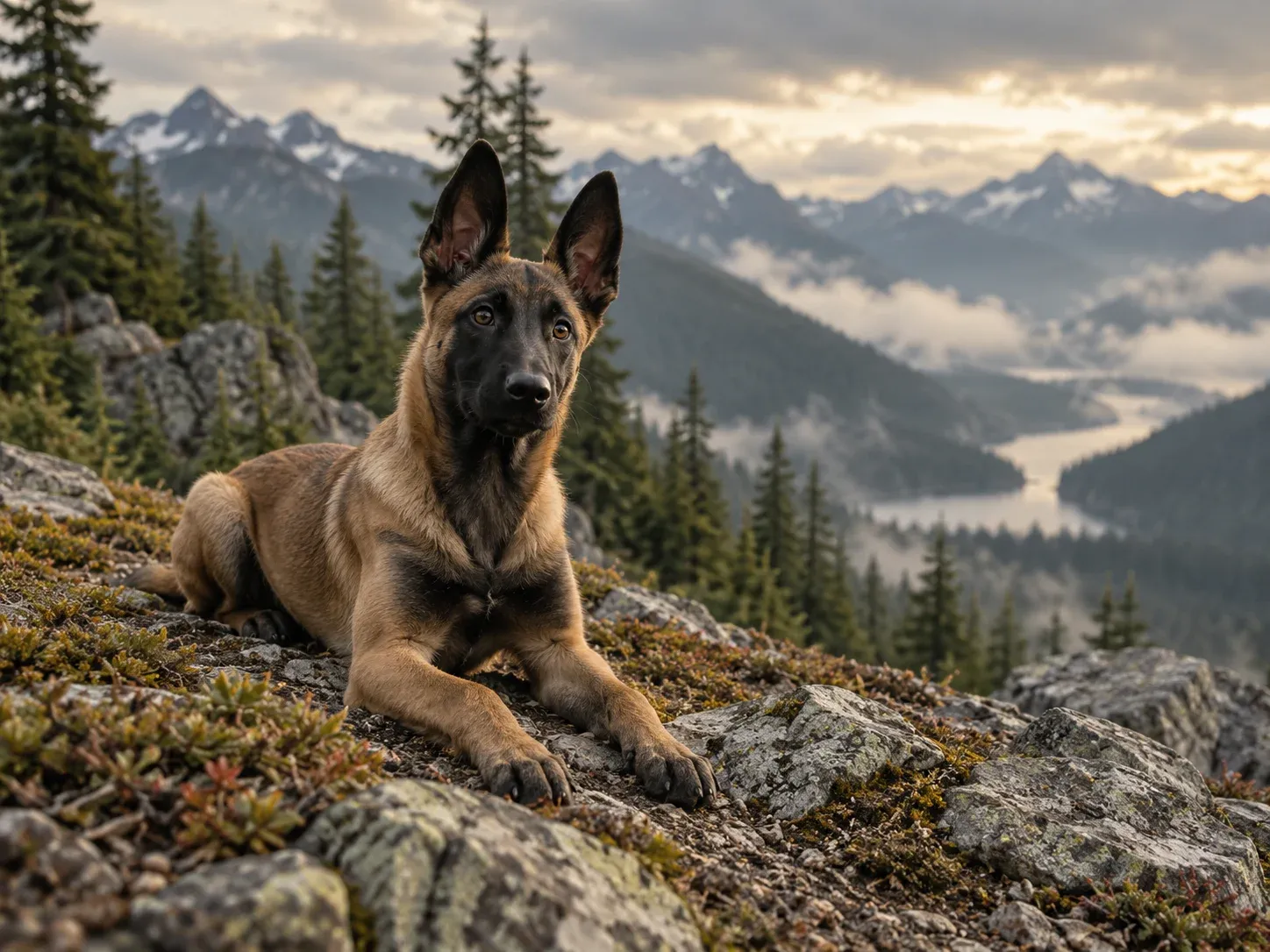
Learning to be the handler my dog deserves.
The Handler Project started with Charlie.
He was an Australian Shepherd. He wasn’t a competition dog, and he wasn’t especially well trained. He was just my dog, the kind who howled every time the old-school fire sirens went off in town and tried to hit the same note. He came along when I needed him more than I realized. We did some obedience, played around with scent work, went places together, and mostly figured it out as we went. I thought I was training him. Looking back, he was mostly showing me how much I didn’t know.
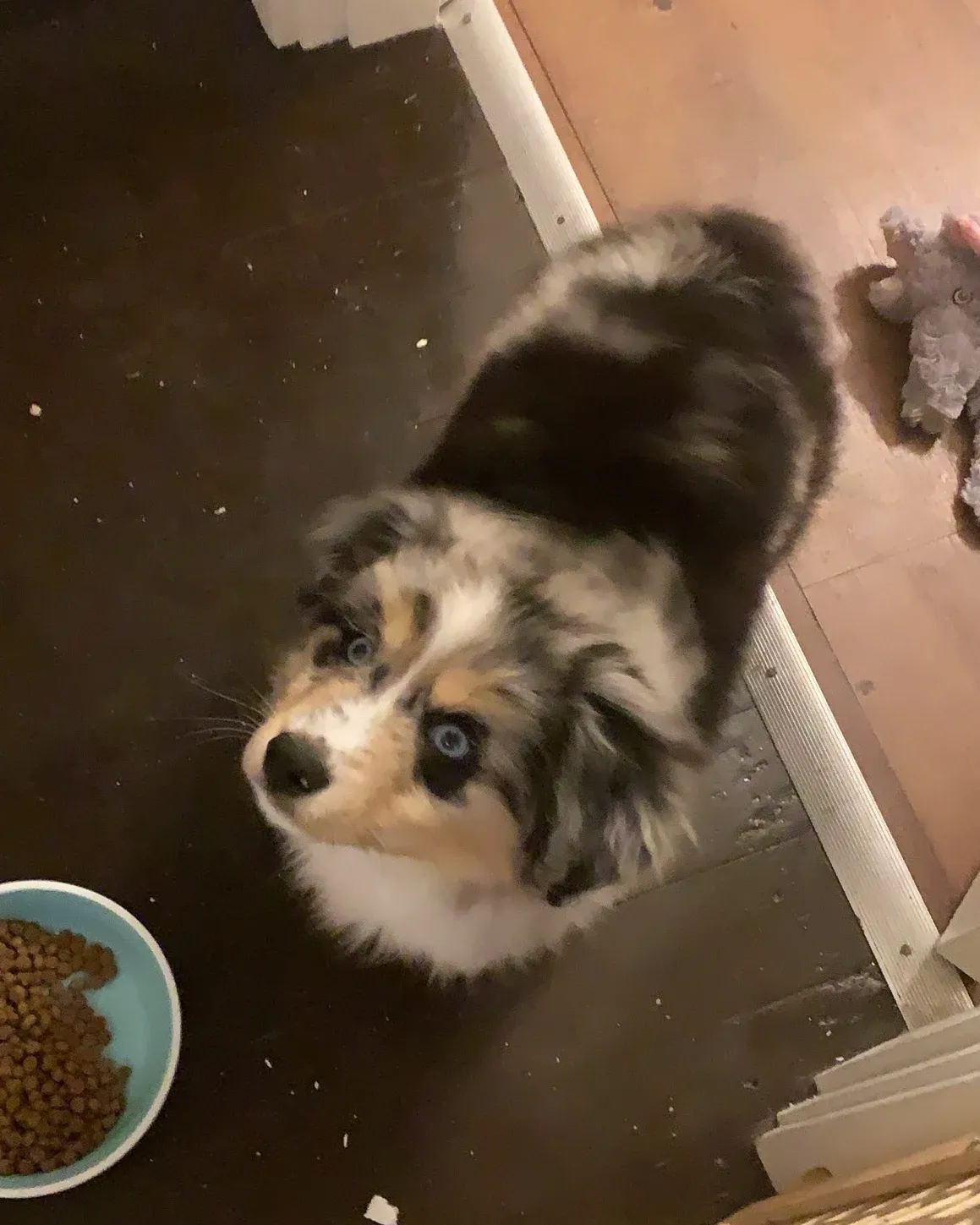
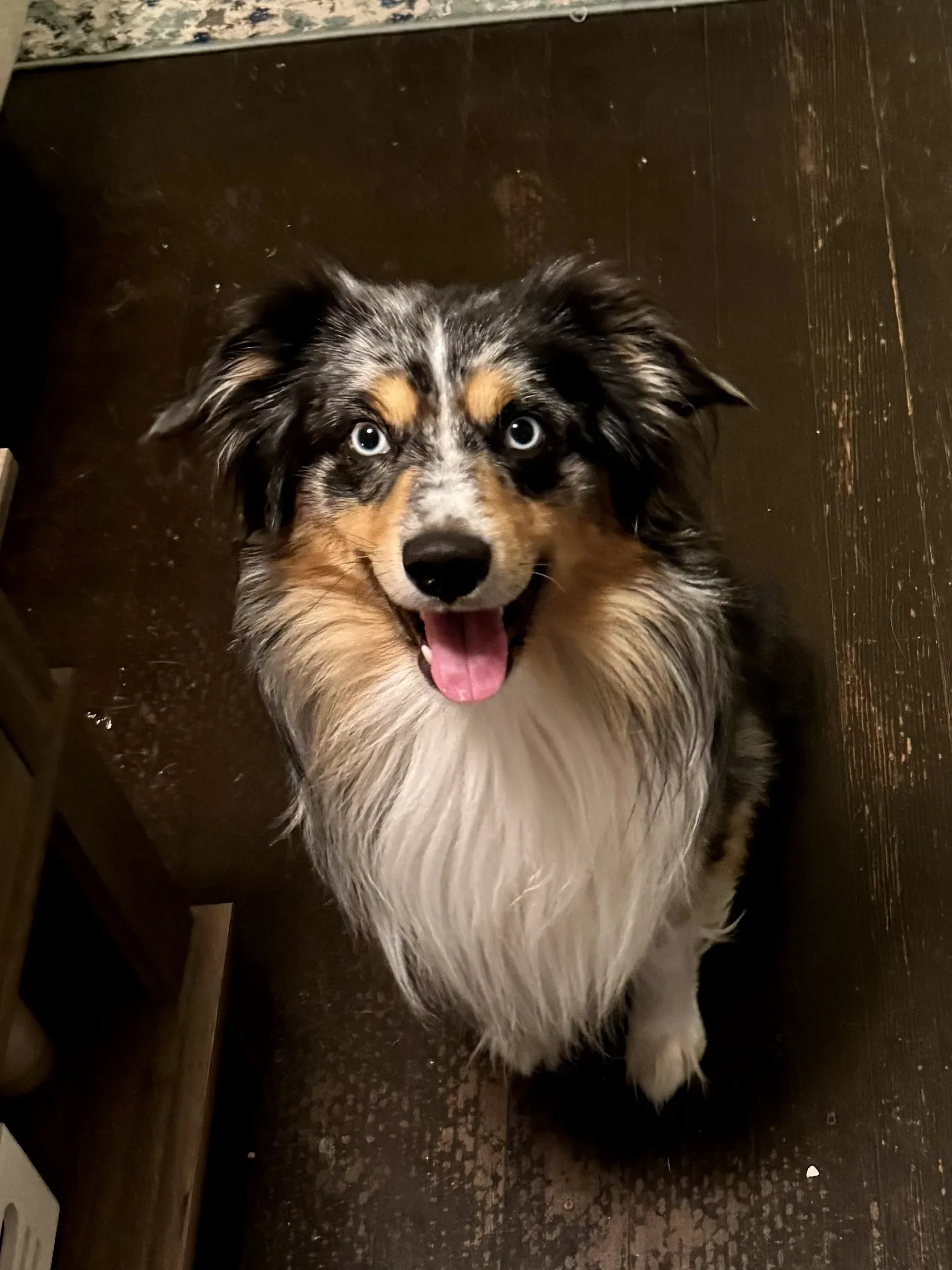
Charlie
Charlie died unexpectedly in the summer of 2026. There was no clear explanation and no real goodbye. One day he was part of the everyday routine of my life, and then he wasn’t. The sirens still go off. Nobody answers them now.
Afterward I kept thinking back over our time together: what we did, what I wish I’d known, and what he might have been capable of if I’d understood him better. I can’t redo those years. I can decide what I take from them, and that’s where this project came from.
“I can’t redo those years. I can decide what I take from them.”
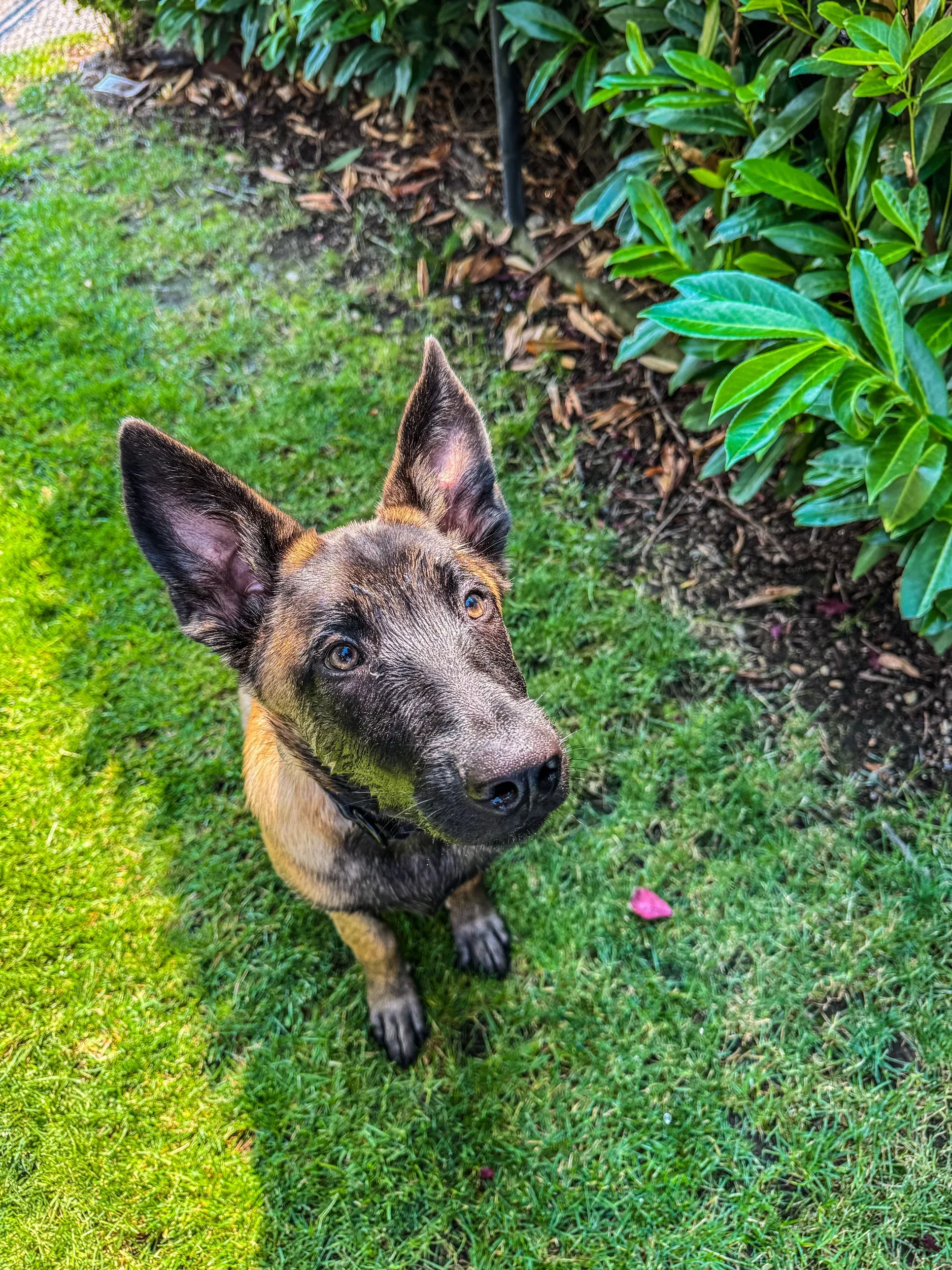
How do I get good enough to train this dog well?
Not long after, we brought home a Belgian Malinois puppy named Gunner, and my question changed. It wasn’t “how do I train this dog?” anymore. It was “how do I get good enough to train this dog well?”
A Malinois shows you fast whether you actually understand training or just know what the exercises are supposed to look like. He notices your timing, your mechanics, how you motivate him, and how clearly you communicate. The plan I wrote the night before matters a lot less than the dog in front of me the next morning.
So I started studying seriously: learning theory, marker systems, engagement, reinforcement, obedience, scent work, sport training, and handler mechanics. Somewhere in there I realized Gunner wasn’t the only one in school.
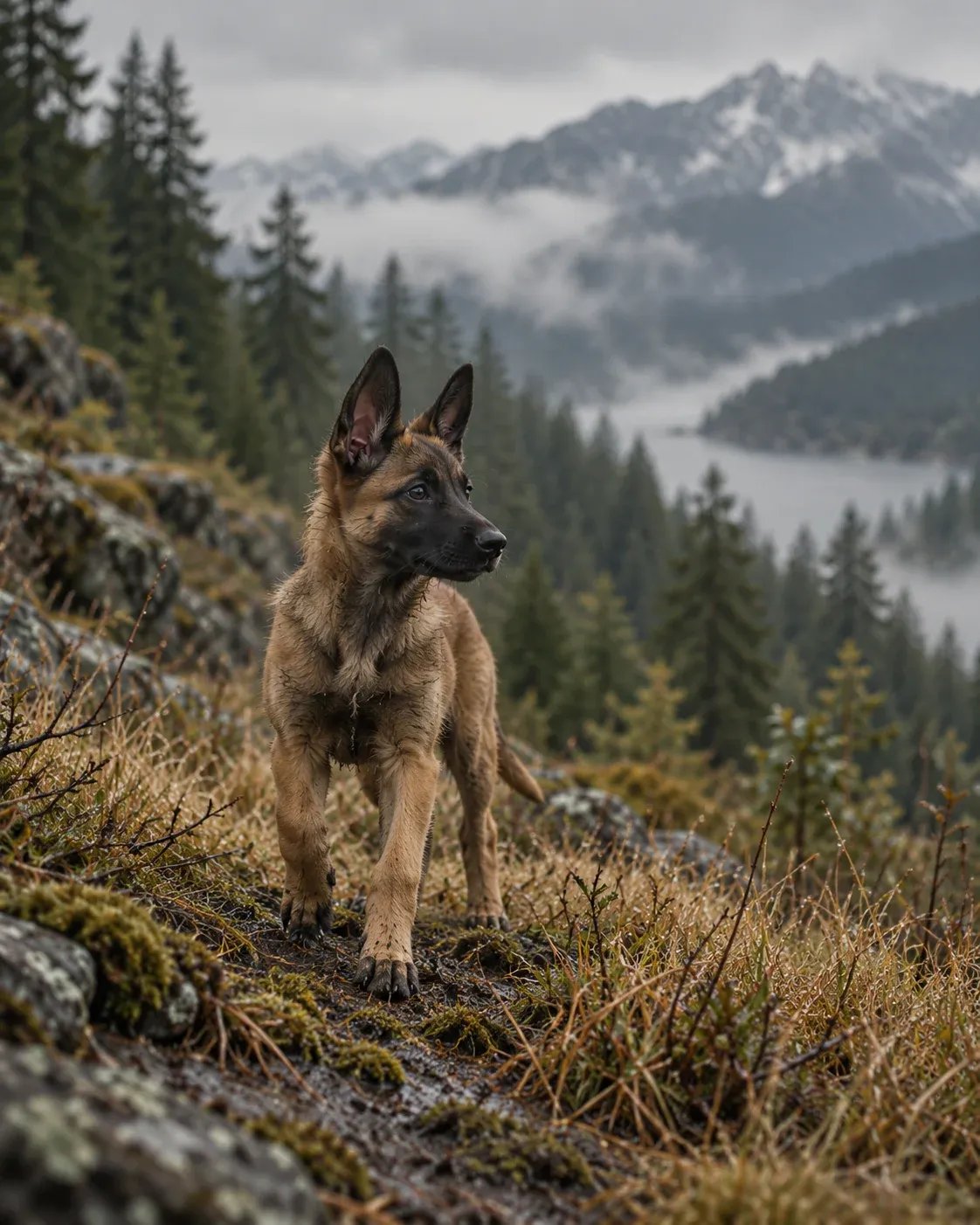
The dog isn’t the only one being trained.
The Handler Project is where I document my half of that. It covers what I’m teaching Gunner, and also what I have to learn to teach him well:
- watching before I step in
- telling a confused dog from a disobedient one
- building motivation instead of leaning on compliance
- knowing when to help, when to wait, when to raise criteria, and when to make things easier
- understanding principles instead of collecting techniques
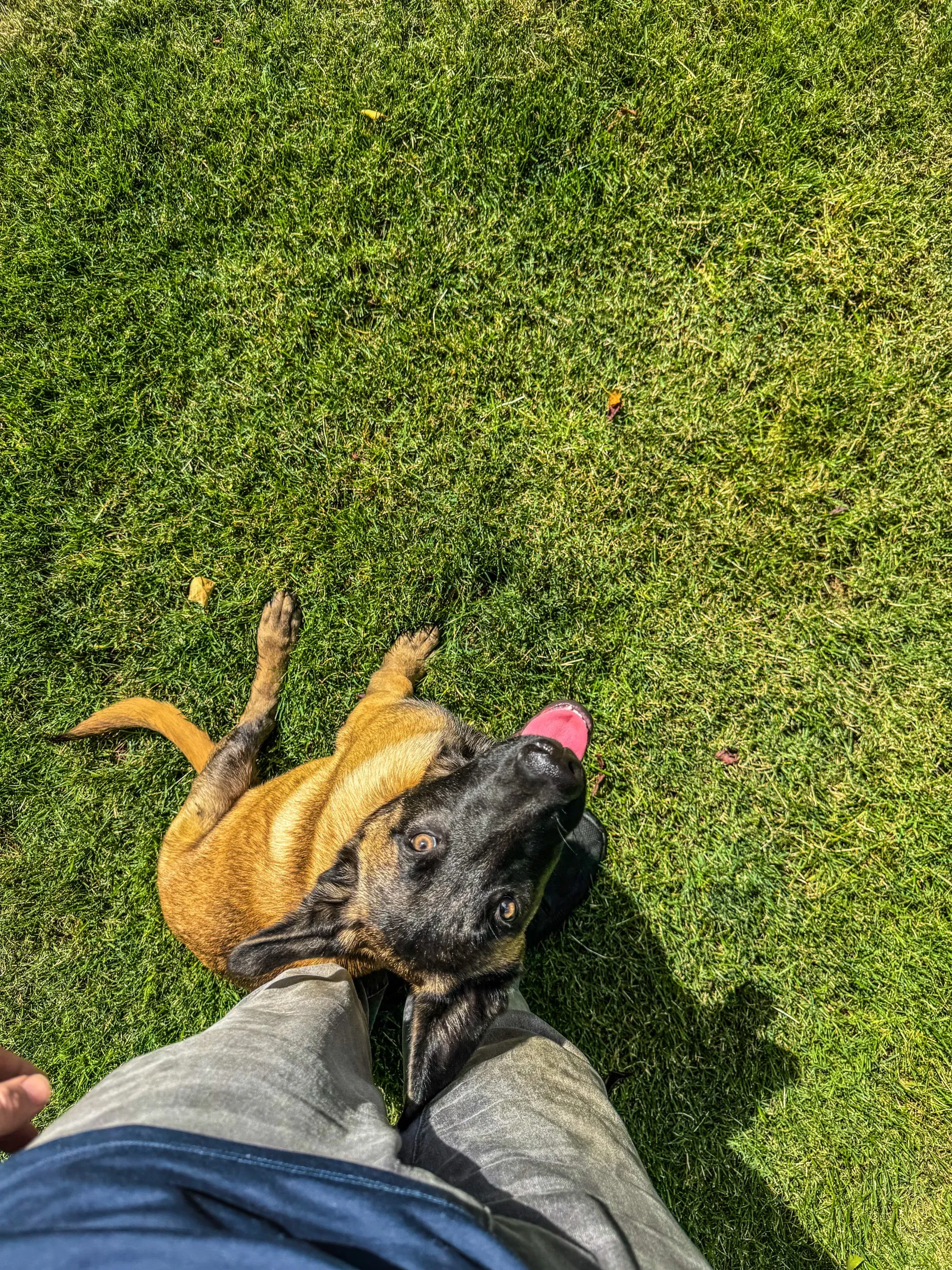
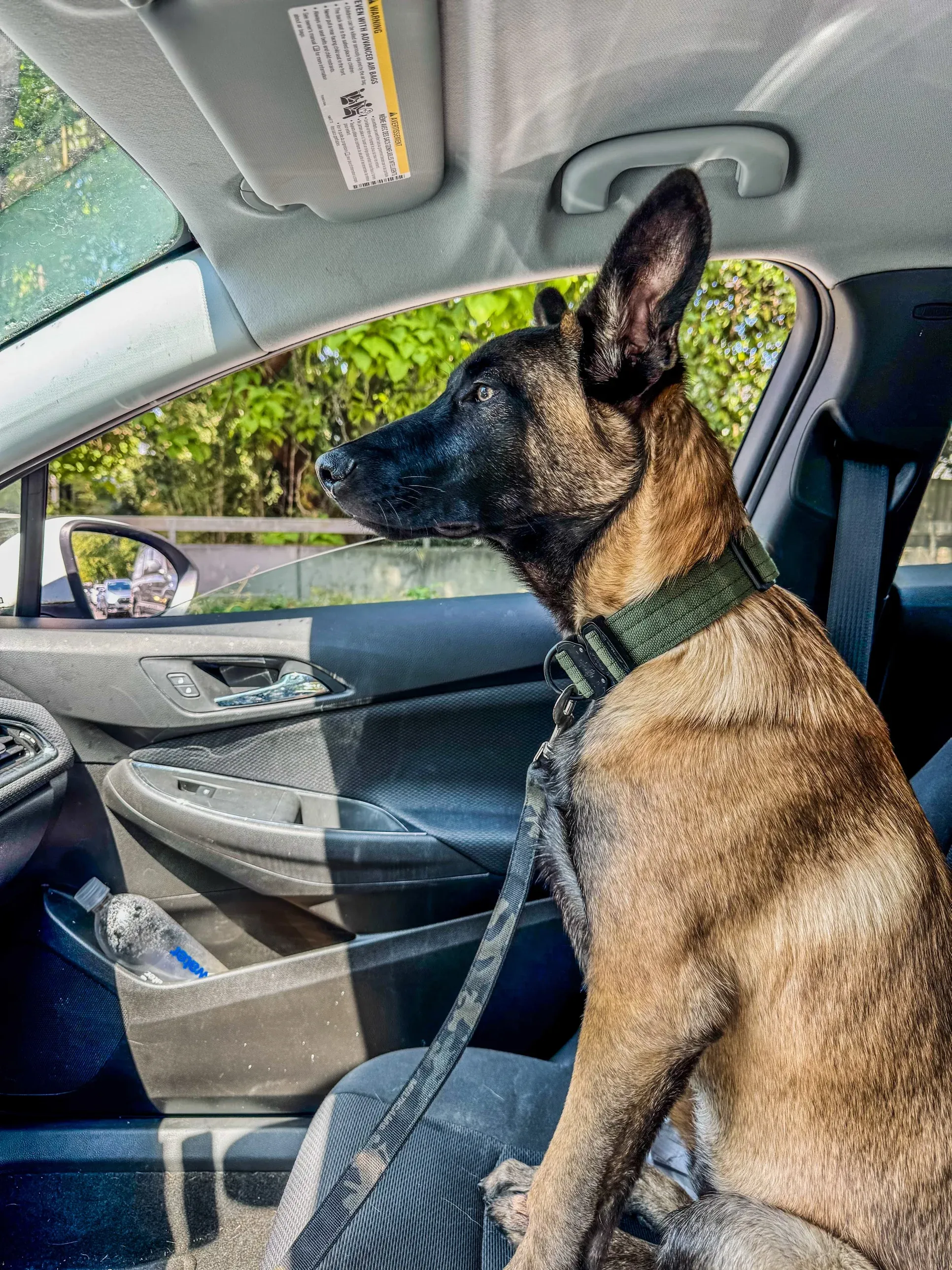
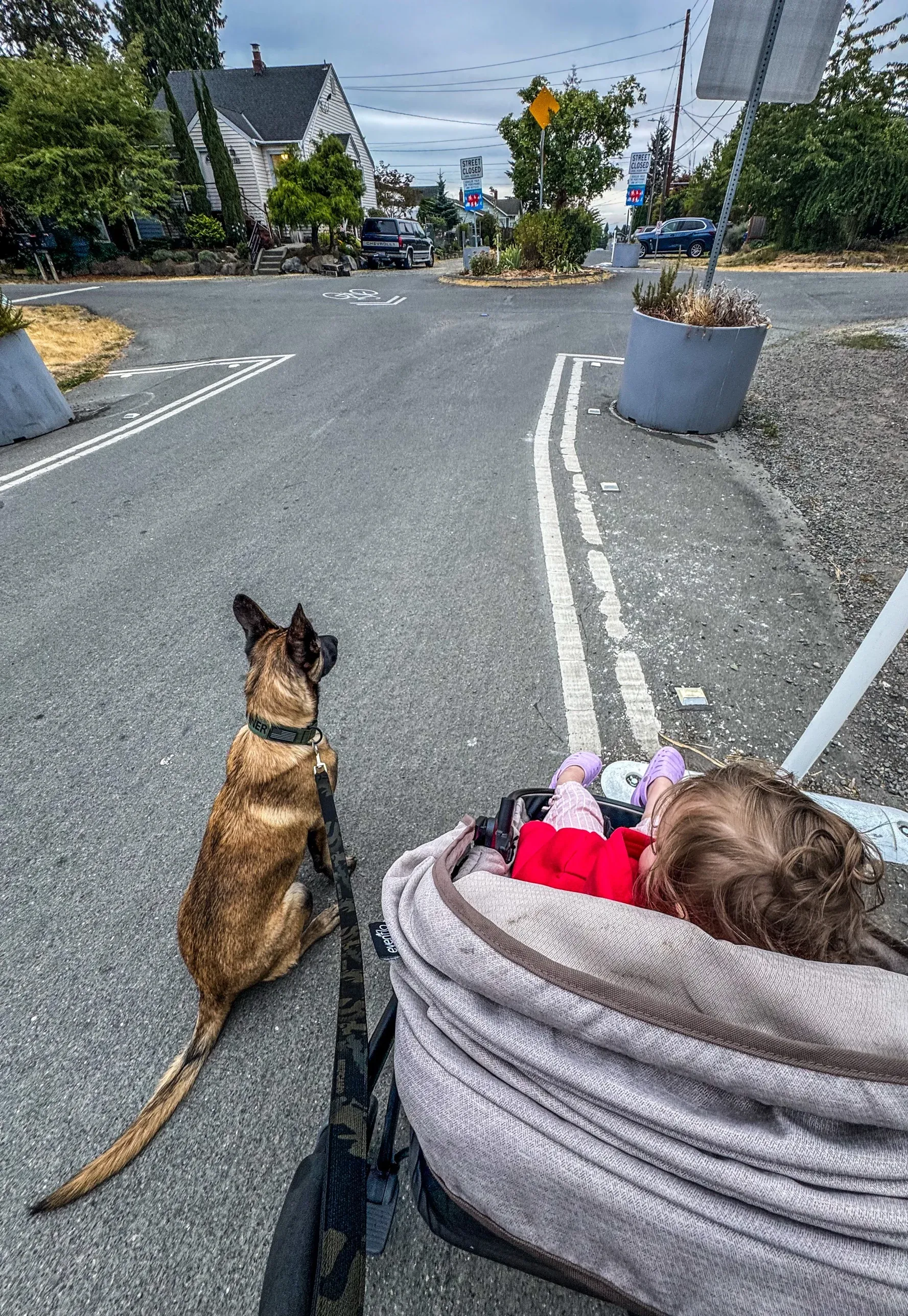
Frameworks matter.
Observation matters more.
I like systems: notes, frameworks, progressions, terminology, knowing why something works. But Gunner has never read my training plan. He only knows what’s happening right now, and that keeps changing. His drive, confidence, and arousal shift, the environment shifts, and so does my timing. More and more, I think training is a back-and-forth between the plan and the dog you actually have that day. Good handling means noticing the change early enough to adjust.
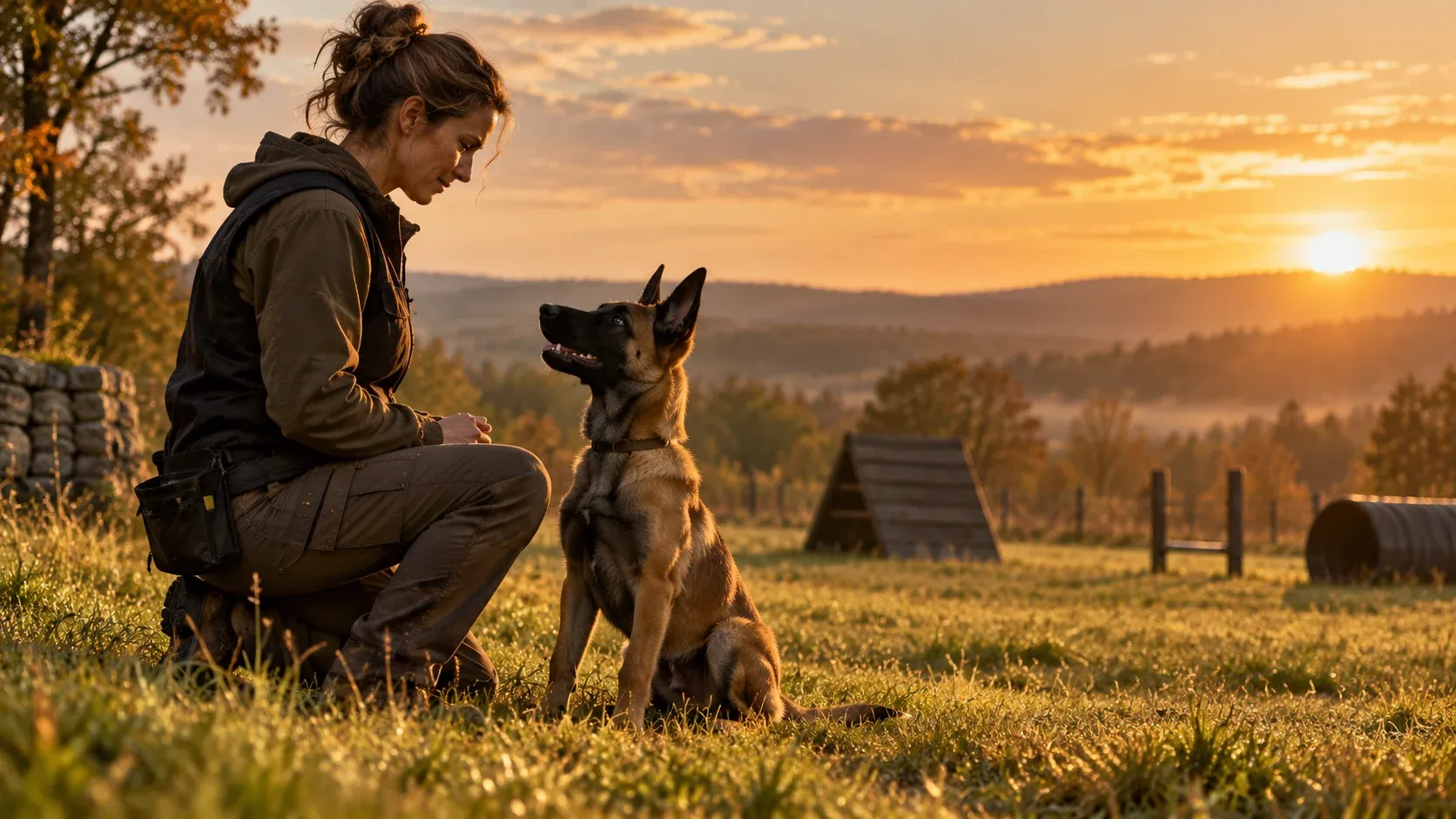
I’m not an expert, and this site doesn’t pretend I am. It’s a record of someone deliberately trying to get competent. I’m studying trainers I respect, learning the science, trying things, getting things wrong, watching Gunner, taking notes, and changing my mind when the dog or the evidence gives me a reason to.
I don’t have a particular title or sport in mind. I want to find out what Gunner can do. That might be advanced obedience, scent work, tracking, IGP foundations, shed hunting, or something I haven’t found yet. Whatever we end up doing, the goal is the same: a dog who knows how to work with me, a handler who knows how to communicate with his dog, and training we both want to show up for.
Gunner will learn
Sit, down, recall, heel, search, track, and retrieve.
My side
- Can I read him?
- Is my timing clean?
- Does my reinforcement actually mean something to him?
- Can I tell when I’m the one causing the problem?
That’s what I want to write about.
is the handler.
Charlie will always be part of this. I’m not trying to recreate what we had. Gunner is a completely different dog, and I’m a different person because of Charlie. Some of what he taught me I only understood after he was gone, and this project is what I’m doing with it.
Watch more, understand more, and train on purpose.
And keep working to deserve the dog on the other end of the leash.
Follow the work as it happens.
Read the field notes →